
Hammond
The Hammond organ is an electric organ invented by Laurens Hammond and John M. Hanert and first manufactured in 1935. Multiple models have been produced, most of which use sliding drawbars to vary sounds. Until 1975, Hammond organs generated sound by creating an electric current from rotating a metal tonewheel near an electromagnetic pickup, and then strengthening the signal with an amplifier to drive a speaker cabinet. The organ is commonly used with the Leslie speaker.
Around two million Hammond organs have been manufactured. The organ was originally marketed by the Hammond Organ Company to churches as a lower-cost alternative to the wind-driven pipe organ, or instead of a piano. It quickly became popular with professional jazz musicians in organ trios, small groups centered on the Hammond organ. Jazz club owners found that organ trios were cheaper than hiring a big band. Jimmy Smith’s use of the Hammond B-3, with its additional harmonic percussion feature, inspired a generation of organ players, and its use became more widespread in the 1960s and 1970s in rhythm and blues, rock, reggae, and progressive rock.
In the 1970s, the Hammond Organ Company abandoned tonewheels and switched to integrated circuits. These organs were less popular, and the company went out of business in 1985. The Hammond name was purchased by the Suzuki Musical Instrument Corporation, which proceeded to manufacture digital simulations of the most popular tonewheel organs. This culminated in the production of the “New B-3” in 2002, a recreation of the original B-3 organ using digital technology. Hammond-Suzuki continues to manufacture a variety of organs for both professional players and churches. Companies such as Korg, Roland, and Clavia have achieved success in providing more lightweight and portable emulations of the original tonewheel organs. The sound of a tonewheel Hammond can be emulated using modern software such as Native Instruments B4.
Showing 1–24 of 32 results
-
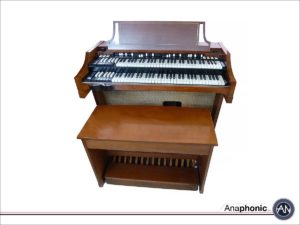
A100
Read more
-
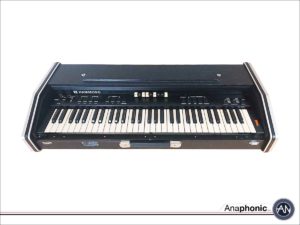
B100
Read more
-
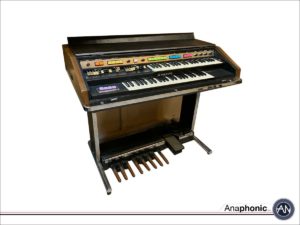
B200
Read more
-
B3
 Read more
 -
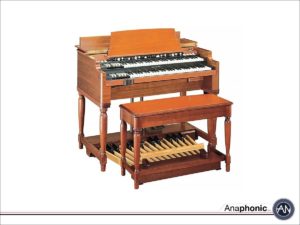
C3
Read more -
D100
Read more -
E100
Read more -
H100
Read more -
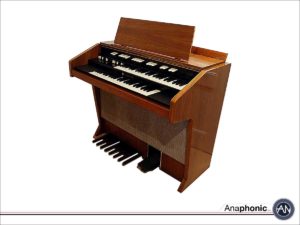
L100
Read more -
M
Read more -
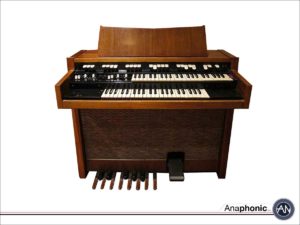
M100
Read more -
M2
Read more -

M3
Read more -
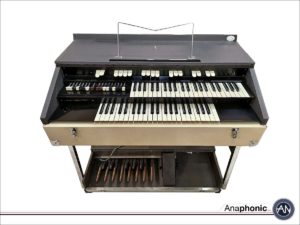
P100
Read more -
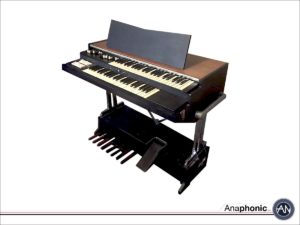
Porta B
Read more -
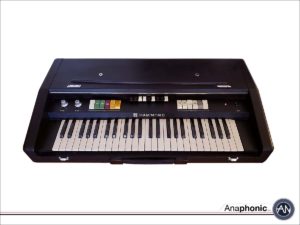
Portable X2
Read more -
Portable X5
Read more -
R100
Read more -
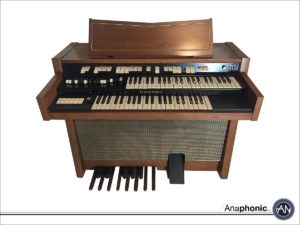
T100
Read more -
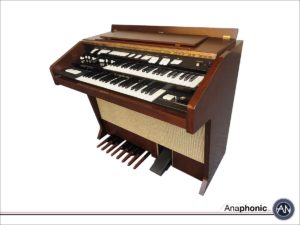
T200
Read more -

T300
Read more -
T400
Read more -
T500
Read more -
X66
Read more